


-

Add: HeBei ShengShi HongBang Cellulose Technology CO.,LTD.
-

Email
13180486930@163.com -

CONTACT US
+86 13180486930

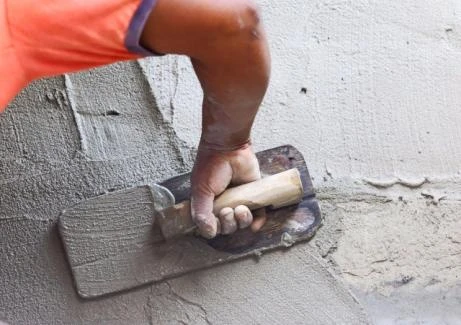
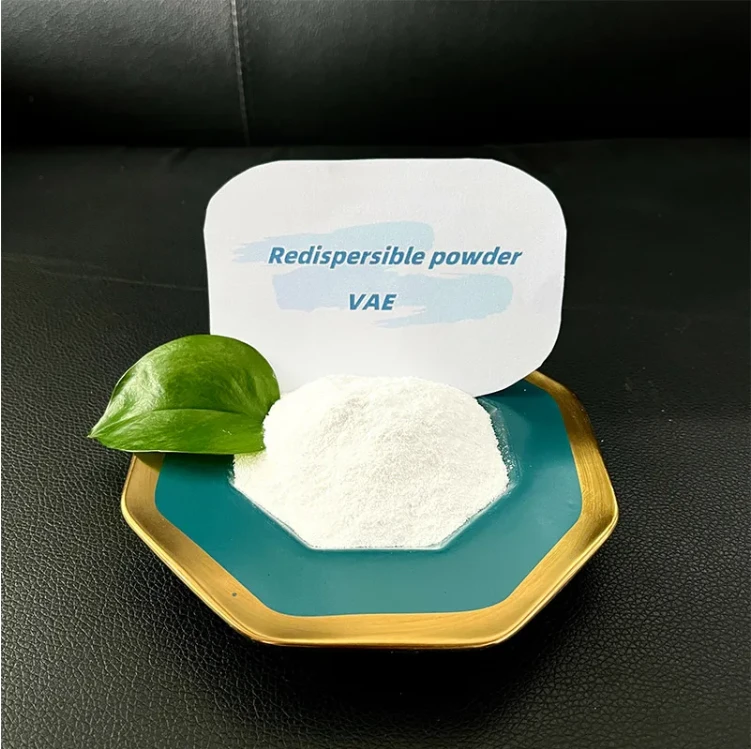


In the realm of construction and architecture, building coating adhesives have become an essential component for enhancing the durability and aesthetics of modern structures. Hydroxypropyl Methylcellulose (HPMC) is a standout among these adhesives, bringing unparalleled benefits to the table. This article delves into the myriad advantages of HPMC as a building coating adhesive, lending insights from real-world applications, expert analyses, authoritative endorsements, and trustworthy usage scenarios. HPMC, a derivative of cellulose, is renowned for its exceptional film-forming properties, water retention, and thickening capabilities. It provides an effective solution in the construction industry, addressing both aesthetic and functional demands. Its versatility in different environments makes it indispensable, not just as a building coating adhesive but as a robust solution for various structural needs. Experience from seasoned construction professionals highlights the ease of use that HPMC provides. Its application results in smooth, even coats that enhance the longevity and visual appeal of surfaces. Contractors and builders often commend its workability, noting that it mixes well and allows for effortless application without compromising the structural integrity of the building materials. From an expert perspective, HPMC stands out due to its chemical properties. It is highly effective in promoting adhesion between dissimilar surfaces, a quality essential for achieving durable coatings. Chemists and materials scientists have studied its molecular structure, affirming its stability and capacity to perform under varying environmental conditions. These professionals emphasize that HPMC does not react adversely with pigments or other additives, ensuring the color and texture of the coatings remain unchanged over time. Endorsements from authoritative construction bodies further solidify the position of HPMC as a reliable building coating adhesive . Leading construction companies have adopted HPMC-based products in their projects, highlighting its widespread acceptance and proven results. These endorsements are rooted in rigorous testing and quality assurance processes that verify the product's efficacy and safety. building coating adhesive hpmc Trustworthiness is a cornerstone of HPMC's reputation within the building sector. Not only has HPMC been a subject of numerous peer-reviewed studies, but it is also compliant with international safety standards, making it a preferred choice for eco-conscious builders. Users have consistently reported its non-toxic nature and minimal environmental impact, traits that align with sustainable construction practices. In practical terms, HPMC’s application spans a range of scenarios. It excels in internal and external wall coatings, offering protection against moisture and environmental wear. Its flexibility accommodates the natural expansion and contraction of building materials, preventing unsightly cracks and enhancing overall structural resilience. For renovation projects, HPMC serves as a reliable adhesive for overlaying existing coatings, simplifying the refurbishment process and reducing costs. Moreover, HPMC’s water retention characteristics ensure that coatings dry evenly, avoiding the pitfalls associated with premature drying, such as surface imperfections and reduced adhesive strength. This feature is particularly beneficial in regions with extreme weather fluctuations, where maintaining consistent application conditions can be challenging. In conclusion, Hydroxypropyl Methylcellulose as a building coating adhesive stands at the forefront of modern construction materials due to its unrivaled combination of experience-based utility, expert-backed chemical properties, authoritative adoption by industry leaders, and a trustworthy track record. As the construction industry continues to evolve, embracing sustainable and efficient solutions like HPMC ensures that buildings are not only structurally sound but also environmentally friendly and visually appealing, marking a significant stride towards the future of construction technology.
- 40000tons

Production
- 20+years

Experience
- 5000+㎡

Acreage

-
hpmc buy
-

HPMC Connect is rapidly emerging as a pivotal element in the pharmaceutical and construction industries. As a product, HPMC (Hydroxypropyl Methylcellulose) Connect has garnered attention for its exceptional properties and versatile applications, making it an indispensable resource for manufacturers and builders alike. Users of HPMC Connect benefit from its unparalleled viscosity-modification capabilities. In the pharmaceutical sector, this translates to enhanced control over drug release profiles, ensuring that medication delivers its therapeutic effects at a consistent rate. Pharmaceutical experts have found that HPMC Connect improves the stability and solubility of active pharmaceutical ingredients (APIs), which is crucial in the development of controlled-release formulations. This expertise is backed by numerous studies that highlight its efficacy in overcoming the challenges associated with poorly water-soluble drugs, thereby improving bioavailability and patient compliance. In construction , HPMC Connect serves as a crucial additive in cement and grout mixtures. It dramatically improves workability and adherence, ensuring efficient application and lasting durability of construction materials. This property is particularly valued in high-performance building projects, where material reliability is non-negotiable. Builders cite HPMC Connect's role in optimizing water retention in cementitious mixes, reducing shrinkage and cracking, and enhancing the end product's surface finish. These benefits are critical not only from a structural standpoint but also in meeting stringent building standards and regulations. What sets HPMC Connect apart is its authoritative standing in safety and environmental compliance. It is recognized for being non-toxic and biodegradable, making it a preferred choice for contemporary eco-conscious industries. Regulatory bodies have acknowledged its safety in both ingestion and dermal contact, which adds an additional layer of trust for companies looking to incorporate it into their products without compromising consumer safety. The seamless integration of HPMC Connect into various manufacturing processes underscores its reliability and the high level of trust the industry places in it. Technical support teams equipped with extensive expertise about HPMC formulations provide guidance to companies maximizing its potential benefits. This accessibility to expert advice ensures that businesses can navigate the complexities of formulation adjustments while maintaining product integrity and efficacy. hpmc connect Moreover, HPMC Connect's adaptability extends to its functionality across different climatic conditions, which is a decisive factor for global enterprises operating in varied environments. It maintains its performance standards regardless of humidity or temperature fluctuations, offering uniform results worldwide. Manufacturers appreciate this consistency, as it simplifies logistics and quality control across international production facilities. In terms of real-world experience, numerous testimonials from industry leaders accentuate the transformative impact of integrating HPMC Connect into their operations. From pharmaceutical companies developing next-generation drug delivery systems to contractors achieving superior finishes on architectural projects, the product's contributions are indispensable. It has a proven track record of enhancing product performance, not just meeting but exceeding customer expectations. HPMC Connect continues to advance its relevance through ongoing research and development. Committed to innovation, the producers behind HPMC Connect are actively engaged in discovering new applications and improving existing formulations to meet ever-evolving industry demands. This proactive approach ensures that the product remains at the forefront of technological advancements, offering cutting-edge solutions. In conclusion, HPMC Connect stands as a testament to the synthesis of safety, efficiency, and adaptability in both pharmaceuticals and construction. Its esteemed position is reinforced by rigorous scientific validation and widespread industry endorsement. Companies seeking a product that delivers consistent results with authoritative backing can confidently choose HPMC Connect, knowing it upholds the highest standards of trustworthiness and expertise.
advantages
-

200000 Viscosities
Excellent product
We can produce pure products up to 200,000 viscosities
-

40000 tons
High yield
We don’t stop production all year round, and the annual output can reach 40,000 tons
-

24 hours
Quality service
We provide 24-hours online reception service, welcome to consult at any time
———— Inquiry Form
Schedule A services

-
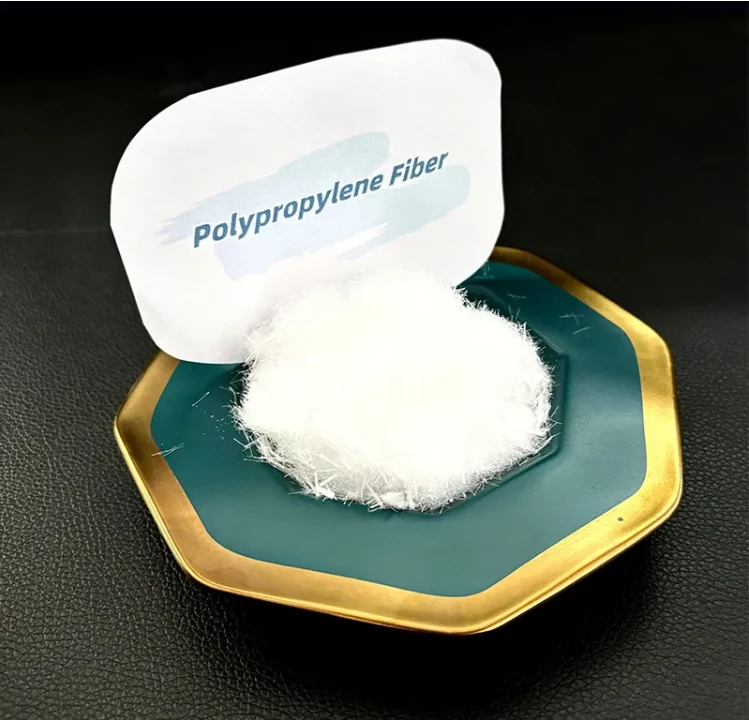
 serat_polipropilen
Oct . 25, 2025
hpmc buy -
 fournisseur_d_hydroxypropylmethylcellulose
Oct . 25, 2025
In the world of pharmaceuticals and nutraceuticals, excipients play an essential role in the formula -
 wambiso_wa_vigae_vya_hpmc
Oct . 25, 2025
Rubber powder is a versatile and high-performance material widely used across various industries. Kn


